
Fittings
HDPE Fittings Manufacturer
A pipeline is only as good as its joints. We mould and fabricate the full fitting range in-house — butt fusion, electrofusion, flange adapters, stub ends and one-off specials — so the fittings on your job come from the same resin lot and the same quality system as the pipe.
Fittings range
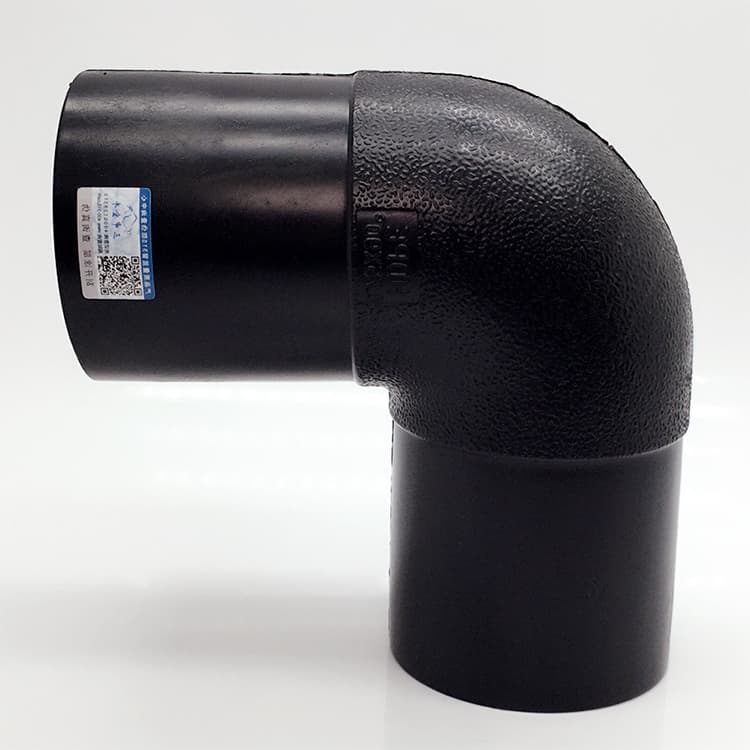
Butt Fusion Fittings
Moulded and fabricated elbows, tees, reducers and end caps from DN20 to DN1600.
Learn more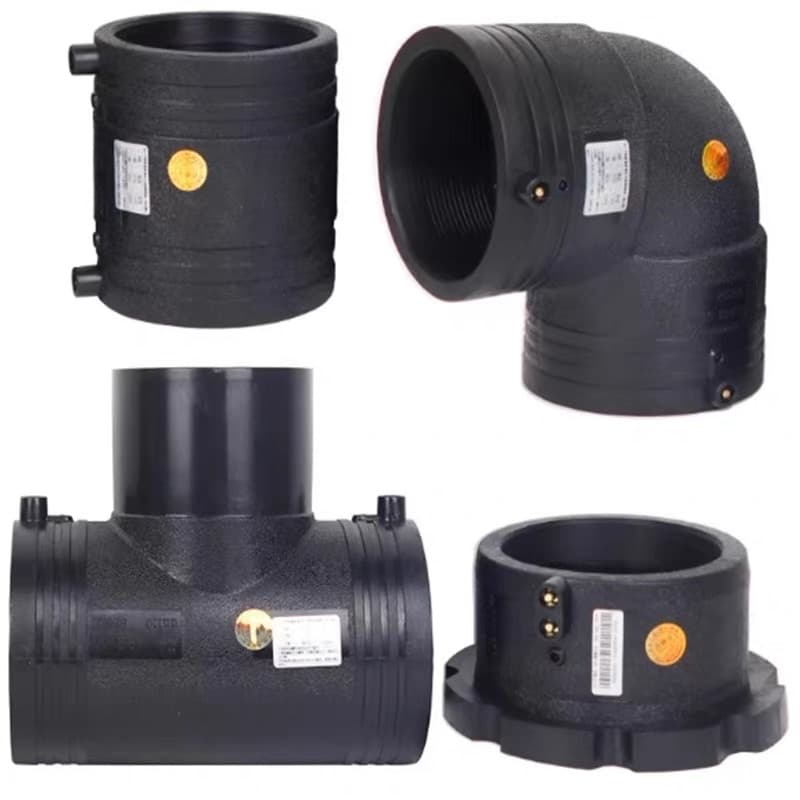
Electrofusion Fittings
Couplers, tapping tees and elbows with barcode fusion data, DN20 to DN630.
Learn more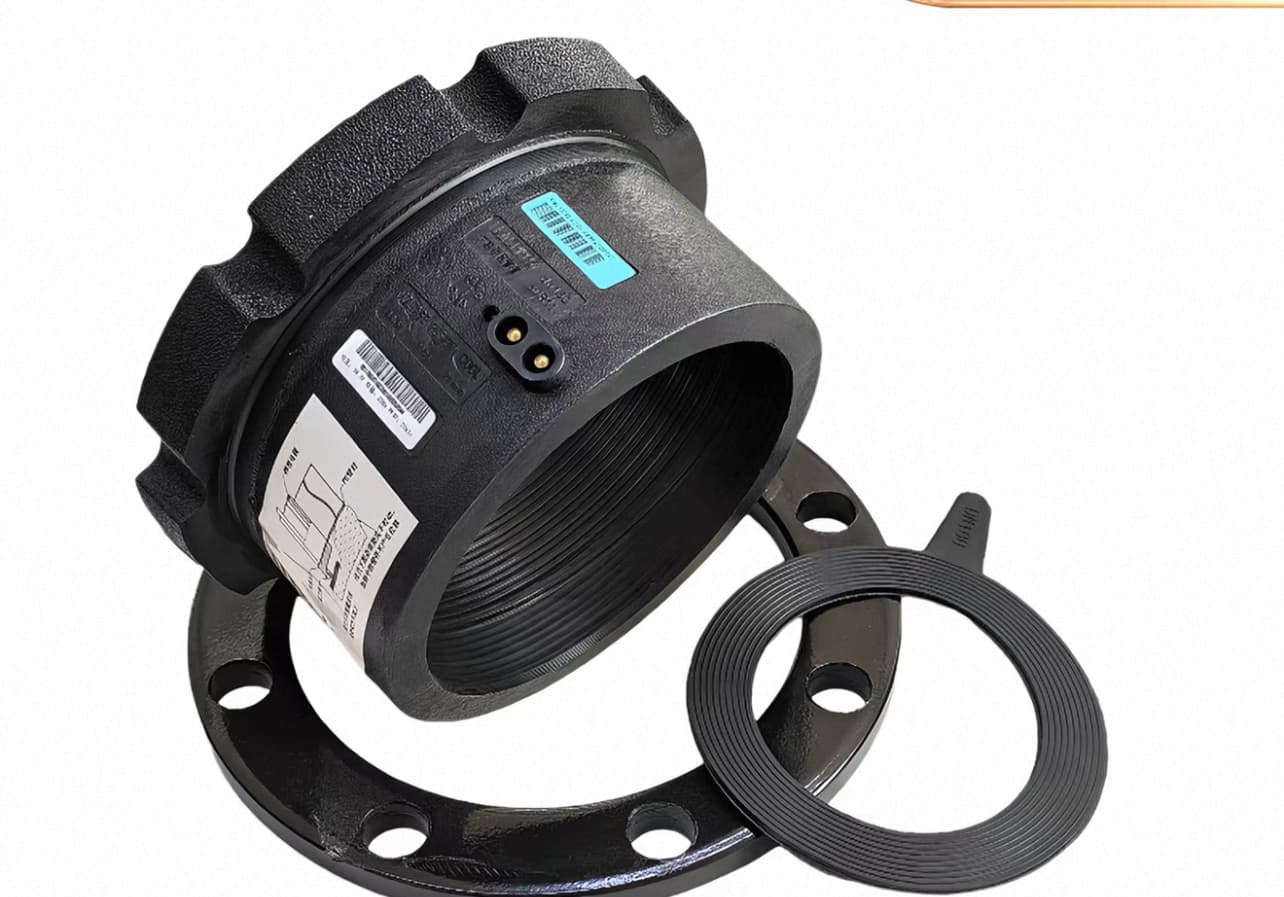
Flange Adapters & Stub Ends
Stub ends with ductile or steel backing rings, drilled to ANSI, EN, AS and JIS patterns.
Learn more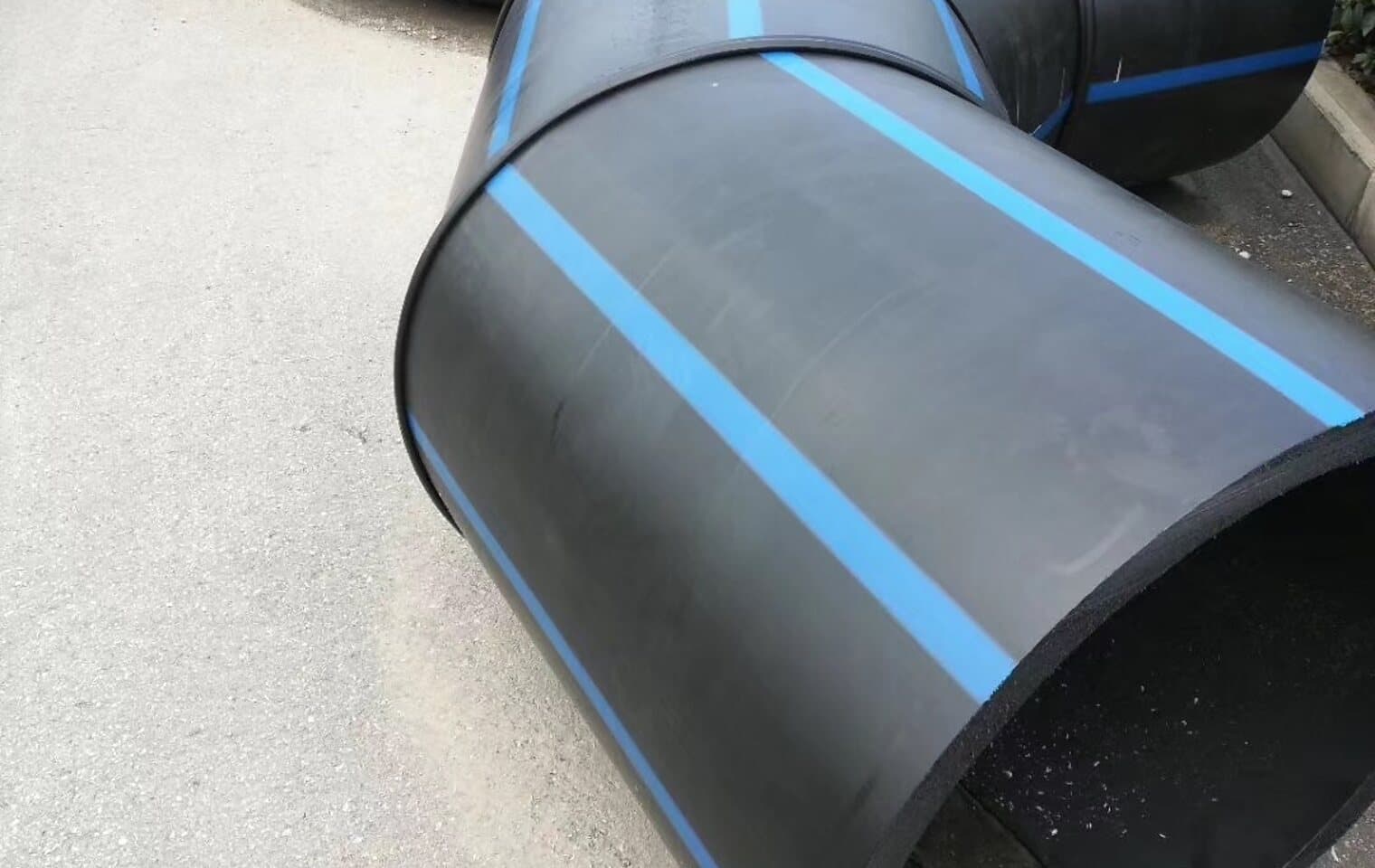
Fabricated Fittings
Mitred bends, wyes, laterals and manifolds built to your drawing, up to DN1600.
Learn more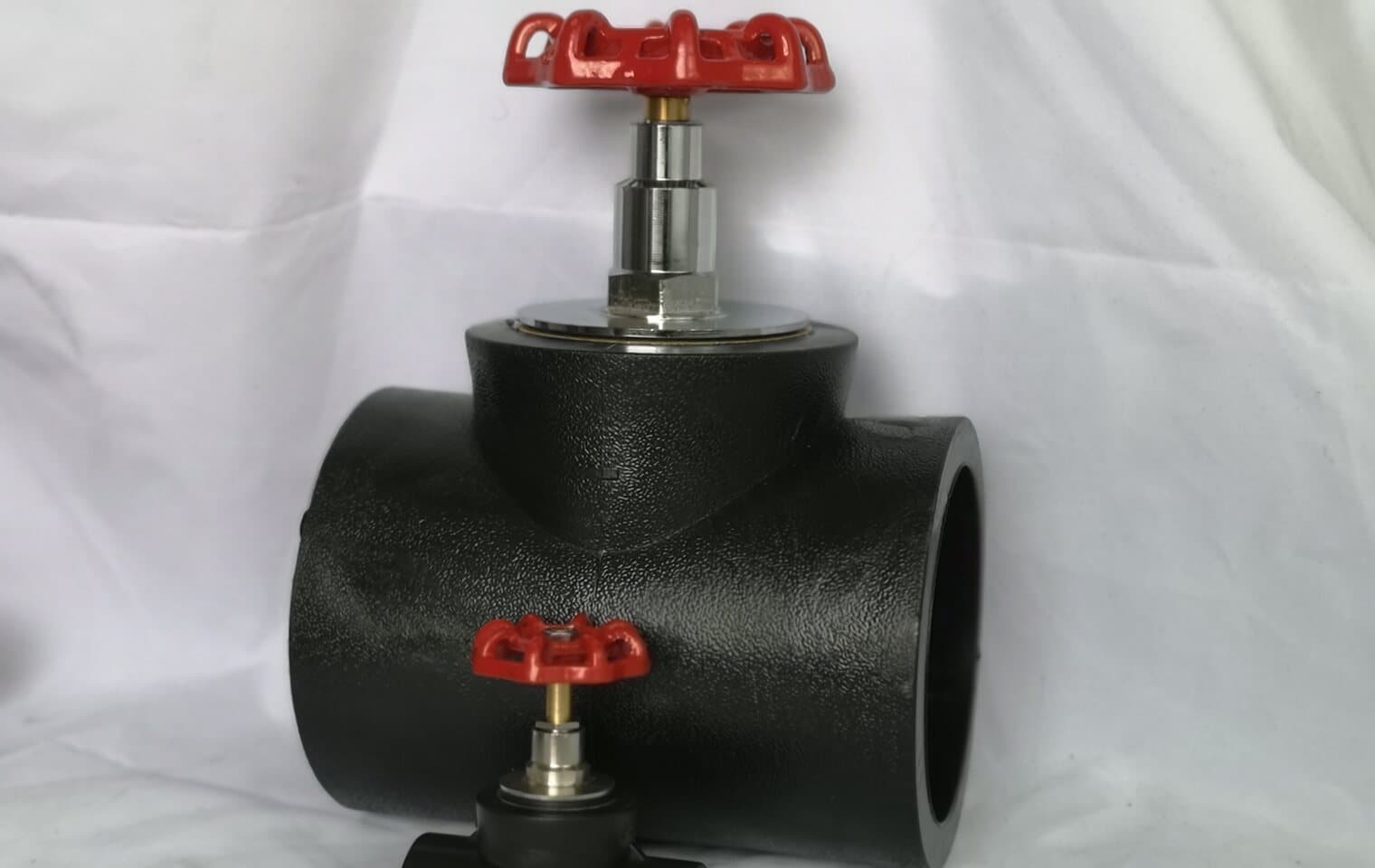
Valves & Accessories
Ball valves, butterfly valves, air release valves and the accessories that finish the system.
Learn more
Moulded, fabricated, or electrofusion?
The jointing method usually picks itself from the site conditions. Butt fusion is the cheapest per joint and the strongest, but it needs room to swing a machine and a clean, dry trench — fine for open-cut mains, awkward for repairs and tight excavations. Electrofusion costs more per joint and needs a power supply, but it works in a confined trench and on service connections where butt fusion simply cannot fit.
The moulded-versus-fabricated line falls at DN630. Below it, fittings are injection moulded and carry the same pressure rating as the pipe. Above it, they are cut and welded from pipe, which means they must be de-rated per ISO 4427-3 — a fabricated DN900 tee does not carry the same PN as the DN900 pipe it joins. That de-rating is marked on the fitting, and it is the detail most often missed at design stage.
- Butt fusion: lowest cost per joint, needs trench space and a machine
- Electrofusion: works in confined trenches, live repairs and service tees
- Moulded to DN630 at full pipe rating; fabricated above, de-rated and marked
- Stub ends plus backing rings wherever HDPE meets valves, pumps or steel
- Fittings supplied from the same resin lot and quality system as the pipe
Frequently asked questions
- Why is a fabricated fitting rated lower than the pipe?
- A moulded fitting is a single piece of material formed in one shot. A fabricated fitting is cut from pipe and extrusion-welded, and the welds and mitre angles concentrate stress. ISO 4427-3 sets the de-rating factor by geometry — a mitred bend loses more than a simple tee. We calculate it, mark it on the fitting and state it on the drawing.
- Do your electrofusion fittings work with our welding units?
- Yes. Each fitting carries a barcode with the correct fusion time and voltage, readable by any standard EF control unit, and runs at 39.5 V / 40 V nominal. If your units log joint data, the barcode is what they log against.
- Which flange drilling pattern do we need?
- It has to match the valve, pump or existing flange on site, not the pipe. We supply ANSI B16.5 and B16.47, EN 1092-1, AS 4087 and JIS 10K. Confirm the pattern in writing before production — a wrong drilling is the single most common reason an otherwise correct shipment stalls on site.
Explore the rest of the range
- HDPE PipePE100 pipe DN20–DN1600 for water, mining, drainage and marine service.
- Drainage PipeStructured wall drainage and sewer pipe, DN200–DN2600 in SN4 to SN16.
- FabricationCustom spools, manholes, tanks and OEM production built to your drawing.
- ApplicationsWhere our pipe goes — water, mining, energy, marine and more.
- ResourcesSpec sheets, SDR tables, fusion procedures, certificates and case studies.
- About UsThe plant, the testing regime and the projects behind the quotation.
Need a quote or a spec check?
Send us your drawing, tender document or bill of quantities. Our engineers reply within 12 working hours with pricing, lead time and a container loading plan.